

The businesses that power our communities deserve more freedom than they often have.
On Micro, Small and Medium-sized Enterprises Day, it’s worth celebrating the incredible contribution SME owners make to our economy and local communities. They create jobs, support families, solve problems and drive innovation. Yet behind many successful businesses is an owner who feels unable to step away, even for a few days, because everything depends on them.
The irony is that the harder an owner works in the business, the harder it often becomes to build a business that has genuine long-term value. Success should create more options, not fewer.
As business owners, we rarely set out to become indispensable. It happens gradually. Customers prefer to deal directly with us. Team members rely on our decisions. Processes remain in our heads instead of being documented. Before long, the business revolves around one person.
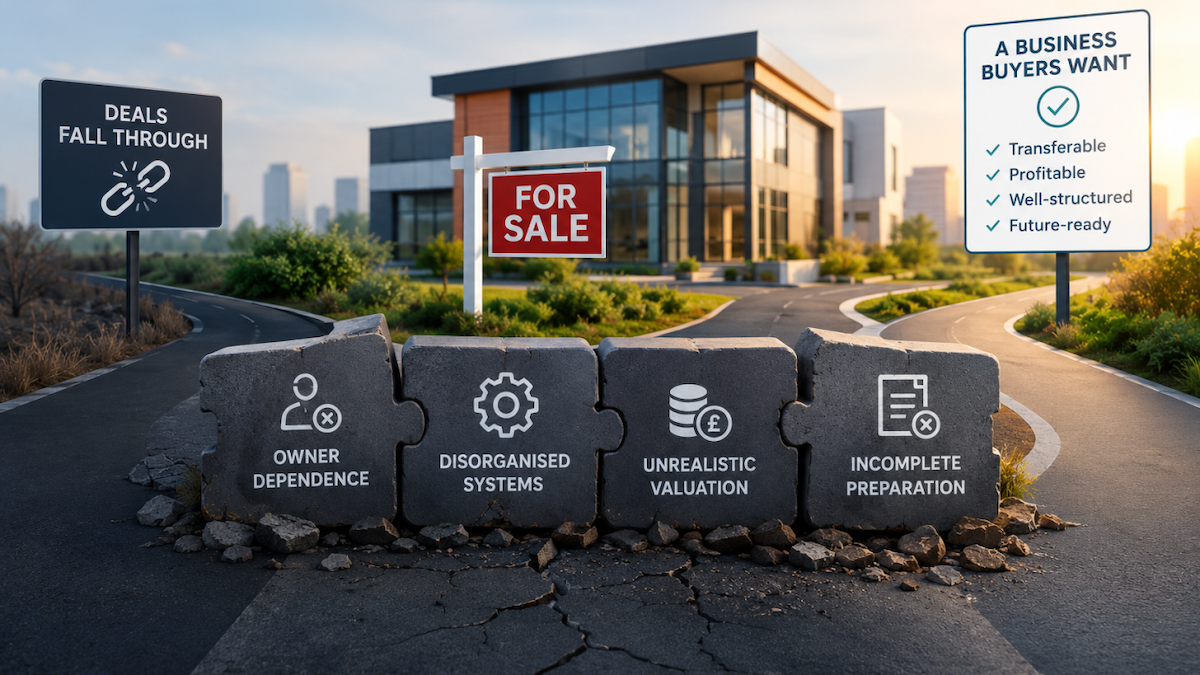
The challenge is that what feels efficient today can become expensive tomorrow. A business that depends heavily on its owner is often less attractive to buyers, more difficult to scale and more stressful to operate. Whether you’re planning to sell in two years or twenty, reducing owner dependency is one of the most valuable investments you can make.
Building business value isn’t simply about increasing turnover or profits. Those are important, but sophisticated buyers look beyond the financials. They want to see a business that can continue to perform successfully after the owner has moved on.
That means creating documented systems, developing leadership within the team, strengthening customer relationships beyond the founder and ensuring knowledge is embedded throughout the organisation. These changes don’t just improve saleability. They usually create a more enjoyable business to run today, giving owners greater freedom, better profitability and more strategic choices.
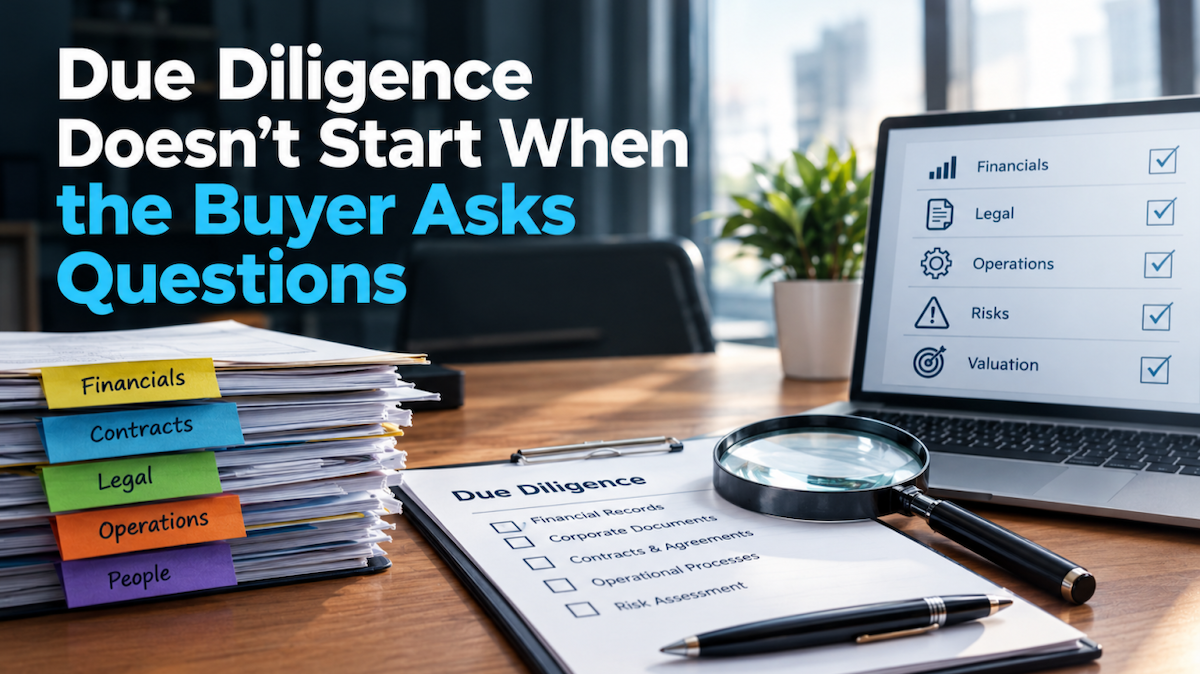
At Exit Factor UK, we often say that the best exit plans begin long before an owner intends to leave. Preparing early gives you the opportunity to identify the areas that limit value and address them methodically, rather than rushing through improvements when a sale is already on the horizon.
This is where many business owners discover something unexpected. As they focus on building a business that works without them, they often regain time, reduce stress and create a stronger, more resilient company. Even if they never sell, the business becomes a far better asset.
This Micro, Small and Medium-sized Enterprises Day, perhaps the most important question isn’t, “How hard am I working?” Instead, ask yourself, “How valuable would my business be if I stepped away for three months?”
The answer to that question often reveals where the greatest opportunities lie.
If you’d like practical guidance on creating a business that is more valuable, more profitable and less dependent on you, we’d love you to join our upcoming online event, Your Business WITHOUT You. We’ll explore the practical steps business owners can take to increase value, create greater freedom and prepare for future opportunities, whether that’s growth, succession or an eventual sale.
Have you ever asked yourself whether your business could genuinely thrive without you? We’d love to hear your thoughts in the comments.